
Let’s be honest. You’ve probably scrolled through those perfectly curated Instagram feeds featuring sustainable homes. Everything looks flawless, eco-friendly, and somehow, impossibly aspirational. And you’ve probably thought: “That’s beautiful, but how do I actually make this work in real life?”
Here’s what nobody tells you about sustainable home decor: it’s not about perfection. It’s not about throwing out everything you own and starting from scratch with a complete home makeover. The truth is far more practical. It is more achievable. Honestly, it is more interesting than what those glossy magazine spreads would have you believe.
We’ll be completely transparent: our own journey into sustainable decorating started with one secondhand side table from a local flea market. That’s it. Not a grand overhaul. Just one piece that we loved, that happened to be pre-owned, and suddenly we were hooked. Three years later, about 60% of our home is secondhand or vintage. It is also made from sustainable materials. The change happened so gradually we barely noticed.
We’re diving into sustainable home decor the way it actually works in real life. No guilt trips, no unrealistic expectations, just practical strategies that you can implement right now, regardless of your budget or where you’re starting from.
What Does “Sustainable Home Decor” Actually Mean?
Before we get into the how, let’s talk about what we’re actually discussing here. Because “sustainable” has become one of those buzzwords that gets thrown around so much, it’s started to lose meaning.

Sustainable home decor isn’t just about buying products with a green leaf stamped on the packaging. It’s a broader approach that considers the entire lifecycle of the items in your home. We’re talking about where materials come from, how they’re produced, how long they’ll last, and what happens to them when you’re done with them.
This means different things in practice. Sometimes it’s choosing furniture made from responsibly sourced materials like bamboo or reclaimed wood. Other times it’s about buying fewer, higher-quality pieces that won’t need replacing every few years. Sometimes it’s as simple as shopping secondhand or upcycling what you already own.
The point is this: sustainable home decor is about making more thoughtful choices, not achieving some impossible standard of perfection. And that’s actually quite liberating once you embrace it.
Debunking the Biggest Myths About Sustainable Home Decor
Let’s address the elephant in the room. There are so many misconceptions floating around about sustainable design that they genuinely hold people back from even trying. We need to bust these myths wide open.
Myth: Sustainable means ugly or boring
This might be the most frustrating myth of all. The assumption that eco-friendly automatically equals beige, scratchy, and aesthetically challenged simply isn’t true anymore. Walk into any contemporary sustainable furniture showroom and you’ll find pieces that are absolutely stunning. From sleek bamboo coffee tables to gorgeous reclaimed wood headboards. Sustainable materials can be shaped into virtually any style you can imagine.
The reality is that sustainable design can lean traditional, modern, bohemian, minimalist, or maximalist. Your aesthetic preferences and your environmental values don’t have to be at odds.
Myth: It’s always more expensive
Yes, some sustainable furniture carries a higher upfront cost. But this is where we need to zoom out and look at the bigger picture. A well-made, sustainably produced sofa costs €2,000 but lasts 15 years. This is actually more economical than buying a €500 fast-furniture piece that falls apart after three years.
Moreover, not all sustainable choices are pricey. Shopping secondhand, upcycling existing pieces, choosing organic cotton throws instead of synthetic ones, swapping to LED bulbs, adding houseplants for air purification are all sustainable choices that actually save you money. I’d argue our electricity bill dropped by about €15-20 per month just from switching to LEDs throughout the house. The key is being strategic about where you invest and where you can make budget-friendly swaps.
Myth: You need to replace everything at once
This is perhaps the biggest barrier for most people. The idea that going sustainable means gutting your entire home and starting fresh is not only unrealistic, it’s actually counterproductive. The most sustainable thing you can do is use what you already have for as long as possible.
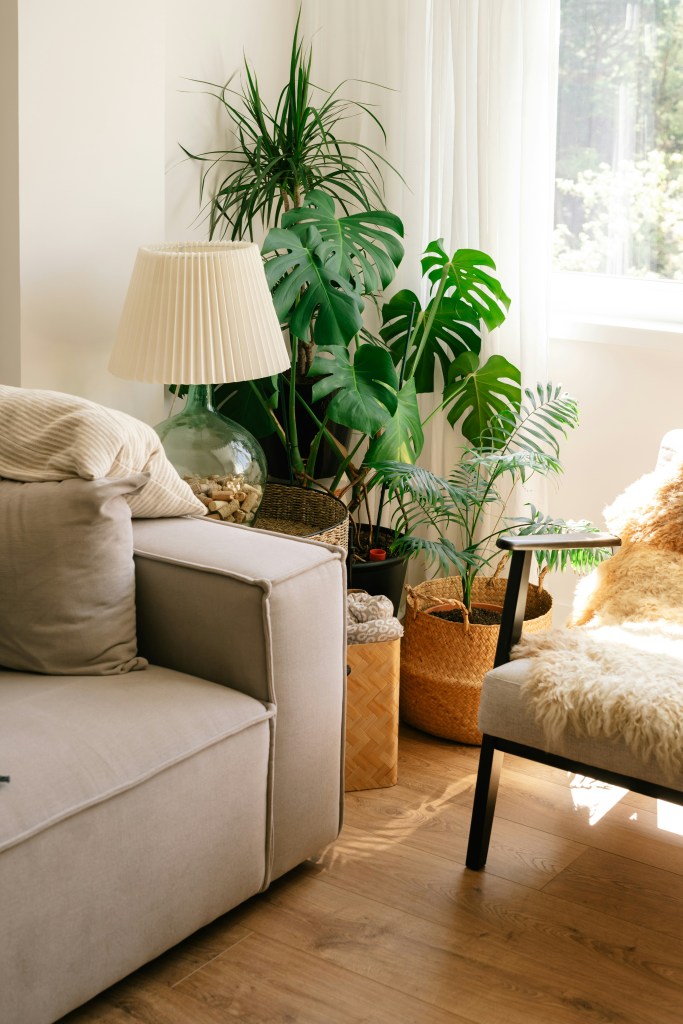
Sustainable decorating is about the journey, not an overnight transformation. You make better choices as you naturally replace items, as you add new pieces, as things wear out. There’s no deadline, no sustainability police checking your home. Every small switch adds up over time.
Myth: Sustainable options are hard to find
A decade ago, this might have been true. Today? Not even close. Major retailers now offer sustainable lines. There are entire brands dedicated to eco-friendly home goods. Online marketplaces make sourcing secondhand and vintage pieces easier than ever.
Sustainable options are genuinely everywhere once you start looking. They range from your local furniture shop to specialized websites like Vinterior and Selency. You can even explore Facebook Marketplace and Vinted (yes, they have homewares now).
The Foundation: Understanding Sustainable Materials
Now let’s talk materials. Once you understand what makes certain materials more sustainable than others, you’ll feel more confident making choices for your home.
Natural and renewable materials
These are your friends in sustainable decorating. We’re talking about materials like bamboo, cork, organic cotton, linen, hemp, jute, rattan, and responsibly sourced wood. What makes them sustainable? They’re renewable. They grow back relatively quickly. They’re biodegradable, so they won’t sit in landfills for centuries. They typically require less energy and fewer chemicals to produce than synthetic alternatives.
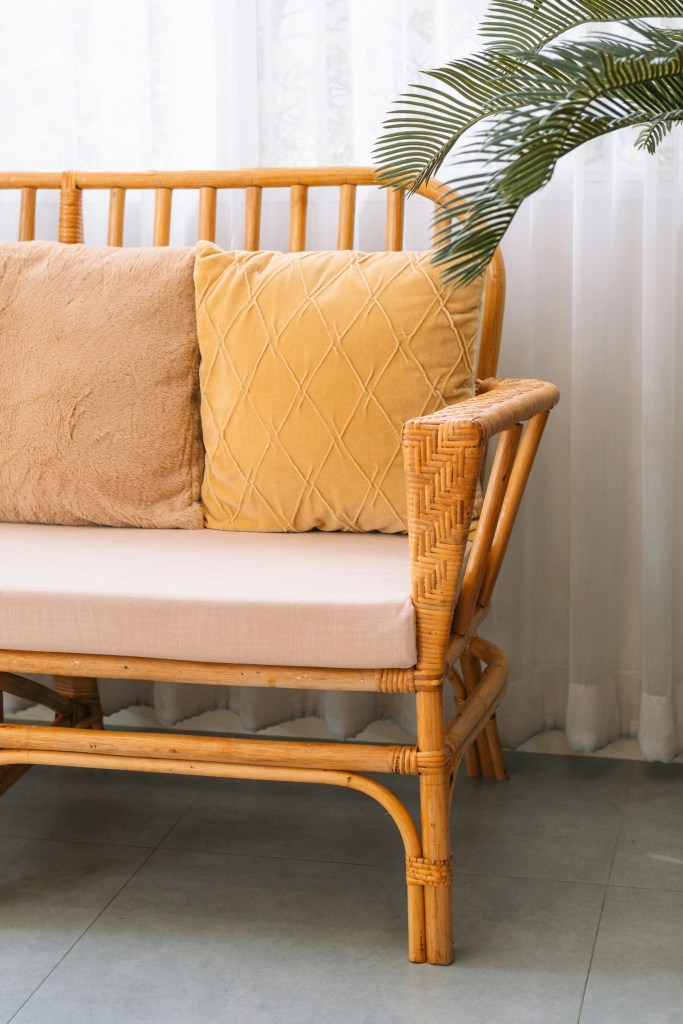
Bamboo is particularly brilliant because it grows incredibly fast (some species can grow up to one metre in a single day). Cork is harvested from the bark of cork oak trees without harming the tree itself, which then regenerates its bark. Organic cotton and linen are grown without harmful pesticides and require less water than conventional cotton.
These materials also bring beautiful, organic textures into your space (something we talked about extensively in our guide to mixing textures). That natural, earthy quality that makes a room feel warm and inviting? That’s often these materials at work. The rough texture of jute against smooth linen creates depth. The organic grain of bamboo paired with soft cotton also enhances depth. These combinations are better for the environment.
Reclaimed and recycled materials
This category is where things get really interesting. Reclaimed wood might come from old barns, demolished buildings, or discarded shipping pallets. Recycled glass can be transformed into stunning countertops or decorative objects. Metal can be melted down and reformed into new fixtures and furniture.
What’s brilliant about reclaimed and recycled materials is that they prevent waste while often bringing unique character to your space. A coffee table made from reclaimed wood has grain patterns and weathering that simply can’t be replicated in new wood. Each piece tells a story. (Our reclaimed scaffold board shelves have paint splatters and nail holes that I initially worried about, but now? They’re my favorite detail. Every mark has history.)
The market for recycled and reclaimed materials has exploded recently. You’ll find everything from reclaimed wood flooring to recycled plastic rugs that look absolutely nothing like plastic. The innovation happening in this space is genuinely exciting.
What to avoid (when possible)
On the flip side, certain materials have significant environmental impacts. Fast furniture often uses particleboard and MDF held together with formaldehyde-based glues that off-gas volatile organic compounds into your home. Cheap synthetic fabrics like polyester are essentially plastic and shed microplastics when washed.
Tropical hardwoods like mahogany or teak, unless certified as sustainably harvested, may contribute to deforestation. Conventional cotton, while natural, is one of the most pesticide-intensive crops in the world.
Does this mean you can never buy these materials? No. But being aware helps you make more informed choices when you do have options.
Room-by-Room: Practical Sustainable Swaps
Let’s get specific. Here’s how to approach sustainable decorating in each area of your home, with realistic suggestions that won’t break the bank.
Living Room
Your living room typically contains your largest furniture investments, which makes it the perfect place to think long-term.

For your sofa, look for solid wood frames rather than particleboard. Choose natural fill materials like down or natural latex instead of polyurethane foam. Opt for durable fabrics like organic cotton, linen, or wool. If buying new isn’t in the budget right now, a secondhand solid wood-framed sofa with high-quality reupholstery can be more sustainable and more affordable than buying new fast furniture.
On the left, Inside Weather sofa (Unsplash)
Swap out synthetic rugs for natural fiber options like jute, sisal, or wool. These materials are biodegradable, durable, and bring wonderful texture to your space, creating that layered look we love. If you need something softer underfoot, look for rugs made from recycled materials. Many contemporary rug brands now create surprisingly stylish pieces from recycled plastic bottles, and you genuinely can’t tell.
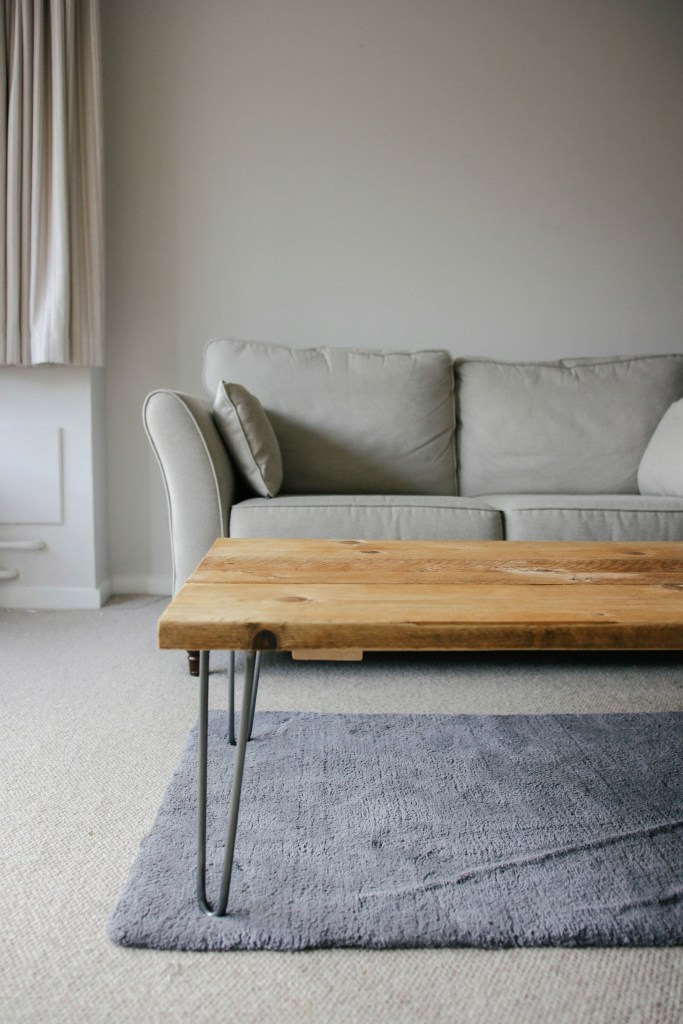
For coffee tables and side tables, reclaimed wood pieces add instant character. If you’re handy, you can even create your own from salvaged materials. Vintage pieces from charity shops or online marketplaces often cost less than new furniture. They also eliminate the environmental cost of new production.
Add life and improve air quality with houseplants. They’re one of the most affordable sustainable additions you can make. Choose varieties that suit your light conditions and maintenance preferences. Snake plants and pothos are famously hard to kill.
Bedroom
Your bedroom is where sustainable choices can directly impact your health. You spend roughly a third of your life there.
Bedding is one area where investing in quality makes a tangible difference. Organic cotton and linen, and TENCEL™ sheets are softer, more breathable, and free from the pesticides and chemicals used in conventional bedding. TENCEL™ in particular is made from sustainably harvested eucalyptus trees in a closed-loop process that recycles water and solvents. Yes, quality bedding costs more upfront, but it lasts significantly longer and feels infinitely better against your skin.

Consider natural latex, organic cotton, or wool-filled options for your mattress. Avoid conventional spring mattresses with polyurethane foam that can off-gas chemicals into your bedroom. Many sustainable mattress companies now offer payment plans that make these more accessible.
Choose solid wood bed frames over metal or particleboard options. Wood is renewable, durable, and can be refinished or repurposed far more easily than other materials. Secondhand wooden bed frames are abundant and often beautifully made. Older furniture was typically constructed to last.
For curtains and soft furnishings, natural fabrics like linen and organic cotton filter light beautifully while being completely biodegradable. Avoid PVC-coated or vinyl-backed curtains, which are essentially plastic.
Kitchen and Dining Room
The kitchen presents unique opportunities for sustainable swaps because you interact with these items daily.
If you’re considering a renovation, explore bamboo or cork flooring as alternatives to hardwood. Both are highly renewable and incredibly durable. For countertops, recycled glass offers a stunning alternative to stone, while reclaimed wood creates warm, functional surfaces for islands or breakfast bars.
In terms of kitchenware, trade plastic containers for glass or stainless steel. Swap out plastic cutting boards for bamboo or wood. Replace synthetic sponges with natural alternatives like plant-based cellulose sponges or coconut fiber scrubbers. These switches are often just as affordable as conventional options.
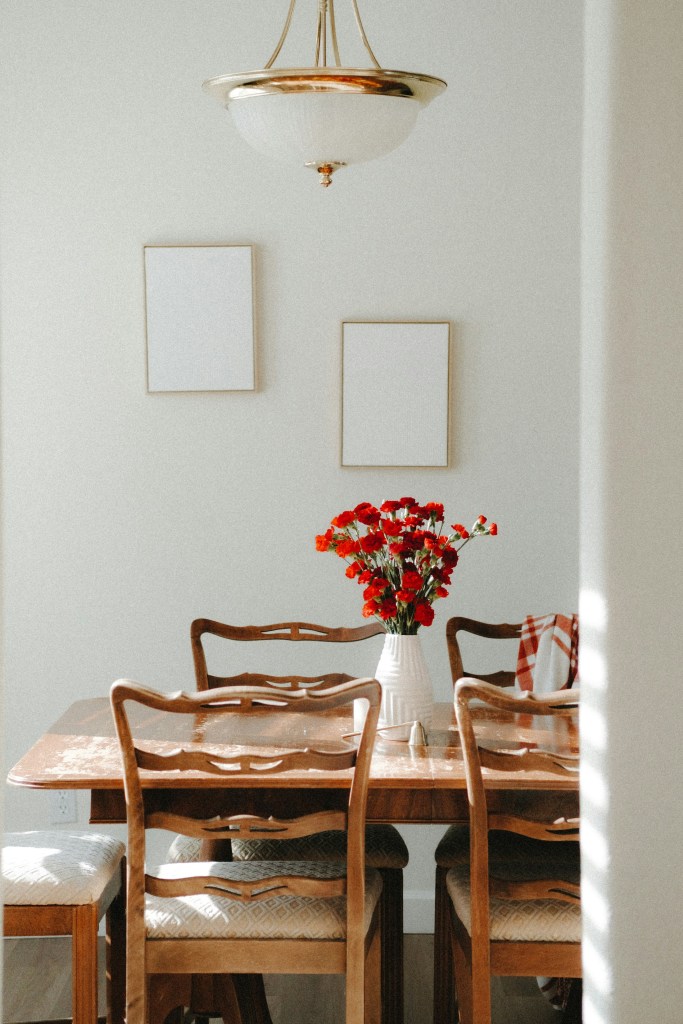
For your dining area, vintage or secondhand dining tables and chairs often represent the best choice. They provide a combination of sustainability, quality, and affordability. Older dining furniture was typically solidly constructed and can be refinished if needed. Mix and match different chair styles for an eclectic, collected-over-time look that’s both sustainable and stylish.
Replace paper napkins with cloth ones made from organic cotton or linen. Choose beeswax wraps instead of plastic cling film. Stock up on reusable glass jars for storage rather than buying plastic containers. These small daily choices compound significantly over time.
Bathroom
Bathrooms tend to be dominated by hard surfaces, making thoughtful material selection particularly important.
If renovating, consider recycled glass tiles, which come in stunning colors and patterns. Natural stone like slate or limestone offers timeless beauty and durability. For vanities, reclaimed wood brings warmth to offset all those hard surfaces.
Add organic elements, like bamboo bath mats and furniture. Use natural fiber shower curtains, usually made from cotton or hemp. Incorporate wooden accessories like toothbrush holders or soap dishes. These materials handle bathroom moisture better than you’d expect and look far more elevated than plastic alternatives.
Swap out synthetic bath towels for organic cotton or bamboo options. Choose bar soap instead of liquid soap in plastic bottles—it lasts longer and eliminates packaging waste. Install a water-saving showerhead to reduce consumption without sacrificing pressure.
Add plants that thrive in humidity, like ferns or spider plants. They’ll improve air quality while bringing life to the space.
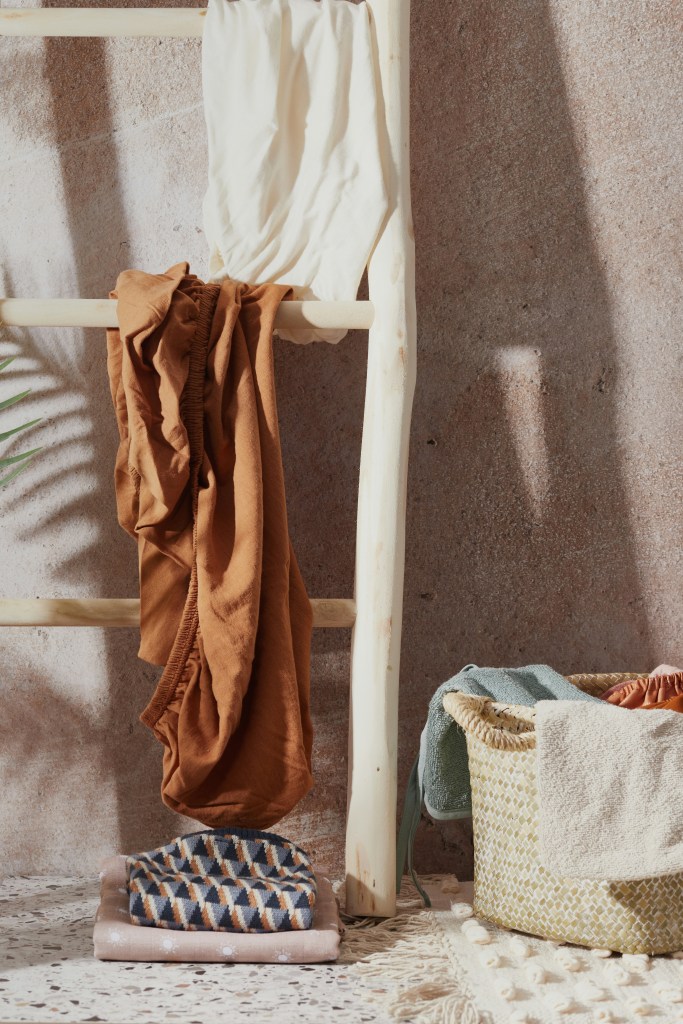
The Circular Approach: Secondhand, Vintage, and Upcycling
Here’s something that doesn’t get talked about enough: sometimes the most sustainable choice isn’t buying something new at all, even if it’s made from eco-friendly materials.
Why secondhand makes sense
When you buy vintage or secondhand furniture and decor, you’re preventing perfectly good items from ending up in landfills. You are also avoiding all the environmental costs associated with new production. These include the material extraction, the manufacturing, the transportation, and the packaging. Plus, older furniture was often made to a higher standard than contemporary fast furniture, meaning it’s genuinely more durable (My grandmother’s 1960s teak sideboard is still going strong while I’ve seen modern particleboard pieces fall apart within five years.)
There’s also something deeply satisfying about the hunt. Finding that perfect mid-century sideboard or a set of vintage glasses feels like a genuine achievement. Unlike mass-produced pieces, your home feels more personal. It seems collected, like you’ve actually lived there. It does not seem like you bought everything in one IKEA trip (no shade to IKEA, we all start there).
The art of upcycling
Upcycling takes secondhand shopping one step further by transforming existing items into something new. It might be as simple as painting an old wooden chair a fresh color. It could also be as involved as reupholstering a vintage sofa.
The beauty of upcycling is that it’s accessible to various skill levels. Painting furniture requires minimal expertise, just proper prep work (sand, prime, paint, seal), good paint, and patience. Swapping out hardware on dated cabinets or dressers instantly updates their look for €20-30. Adding new legs to an old table changes its entire style. We once transformed a couple of boring 60s dark wood night tables by painting them white and adding tapered wooden legs:total cost €45, and they look something from a boutique furniture store.
For more ambitious projects, consider reupholstery. While you can hire professionals, many people successfully teach themselves basic upholstery through YouTube tutorials. A structurally sound chair with dated fabric can be completely transformed with new upholstery in a modern print.
Upcycling isn’t just environmentally friendly. It’s also budget-friendly and allows for complete customization. You end up with truly one-of-a-kind pieces that perfectly suit your style.
What About Trends? Creating Timeless Sustainable Spaces
Here’s a bit of a paradox in sustainable decorating: trends, by their very nature, aren’t particularly sustainable. They encourage constant refreshing and updating. This approach contrasts with the “buy less, choose well, make it last” philosophy that underpins sustainable design.
So how do you create a space that feels current without falling into the trend trap? Here’s what we’ve learned works:
Focus on timeless foundations
Invest in classic, well-made furniture in neutral tones and simple lines. A quality linen sofa in a versatile color will serve you well for years, regardless of what’s trending. The same goes for solid wood dining tables, classic lighting fixtures, and simple storage pieces.
This doesn’t mean your space has to be boring. Think of these foundation pieces as your wardrobe basics. The well-fitting jeans and white shirts that never go out of style. They provide a flexible backdrop for more personal, trend-forward accents.
Embrace trends through easily changeable elements
If you love following current design trends (and honestly, who doesn’t enjoy a bit of style evolution?), incorporate them through items that are easy and inexpensive to swap out. This means cushions, throws, artwork, smaller decorative objects, and even paint color.
These elements allow you to refresh your space regularly without the environmental and financial cost of replacing major furniture. Love this year’s warm, earthy color palette? Buy some terracotta and rust-colored cushion covers for €15-20 each. Obsessed with the resurgence of maximalism? Add a bold, patterned throw and some vintage decorative objects from your local flea market.
When you do tire of these trend-led pieces, you can easily donate them. You can also sell them on Vinted or Marketplace. Another option is to swap them with friends. We have an annual “decor swap” with our friend group—highly recommend.
Develop your personal style
The most sustainable approach of all? Creating a space that genuinely reflects your personal taste rather than slavishly following trends. When you fill your home with things you truly love, you include pieces that resonate with your aesthetic preferences. These items also address your lifestyle needs. You’re far less likely to want to change them every few years.
This takes time to develop, and that’s okay. Pay attention to what consistently draws your eye. Notice patterns in what you’re attracted to. Don’t buy something just because it’s “in” if it doesn’t genuinely speak to you.
Making It Work: Budgeting for Sustainable Choices
Let’s talk money, because that’s usually the sticking point. How do you afford sustainable options when they often cost more upfront?
Prioritize your investments
You cannot (and should not try to) overhaul everything at once. Instead, create a priority list based on what matters most to you and what needs replacing first.
If you spend most of your home time in your living room, start there. If you’re concerned about chemicals in your bedroom, begin with organic bedding. If your kitchen table is falling apart, that’s your next investment.
By focusing your resources on one area at a time, you can afford to choose quality, sustainable options. This is better than stretching your budget too thin and ending up with mediocre choices across everything.
Mix high and low
You don’t need everything in your home to be high-end and sustainably produced. The strategy of mixing investment pieces with budget-friendly options works perfectly here.
Splurge on a sustainably made sofa that will last decades, but buy your cushions secondhand or from more affordable brands. Invest in an organic mattress, but find vintage nightstands for €30 each on Facebook Marketplace. Buy that stunning reclaimed wood dining table, then surround it with mismatched vintage chairs that cost next to nothing.
This approach allows you to incorporate quality sustainable pieces while keeping your overall costs manageable.
Factor in longevity
When comparing prices, always consider cost per wear, or in this case, cost per year. Quality options tend to last. Looking at purchases this way often reveals that sustainable options are actually more economical long-term. They’re not always, mind you. But more often than not, the initial price premium is offset by significantly longer lifespan.
Take advantage of sales and secondhand
Many sustainable brands have sales, particularly around major holidays. Sign up for newsletters from brands you like so you’ll know when these happen. End-of-line items are often heavily discounted.
And never underestimate the value of patience with secondhand shopping. If you’re willing to wait and check platforms regularly, you’ll eventually find exactly what you want. You will find it at a price that works for you.
Small Changes That Make a Real Difference
Not ready for major furniture purchases? Here are manageable changes that still have meaningful impact.
Switch to LED lighting throughout your home. They use a fraction of the energy of incandescent bulbs and last years longer. The money you save on electricity will quickly cover the cost of the bulbs themselves.
Add houseplants. Beyond their air-purifying qualities, plants bring life and color to your space. Many varieties are inexpensive and easy to propagate, so one purchase can become many plants over time.

Choose natural cleaning products or make your own. Vinegar, baking soda, and castile soap can handle most household cleaning needs without the harsh chemicals found in conventional cleaners. This is better for your indoor air quality and the environment.
Invest in reusable items. Replace disposables with reusables where it makes sense. Use cloth napkins instead of paper. Choose proper dishcloths instead of paper towels. Opt for refillable soap dispensers instead of buying new bottles. These changes pay for themselves quickly.
Shop your own home. Before buying anything new, see if you can repurpose or relocate items you already own. That side table in the bedroom might be perfect for the living room. Those curtains from your old flat might work in a different room with minor alterations.
Embrace negative space. You don’t need to fill every surface and wall. Learning to appreciate thoughtfully empty spaces is both sustainable and sophisticated. It gives your favorite pieces room to breathe and make a statement.
Choose quality over quantity. Whether it’s towels, cushions, or decorative objects, consider buying fewer items. Choose better-made items that serve you better. This is wiser than filling your space with cheap options. Cheap options need frequent replacing.
Your Sustainable Home Journey Starts Here
Here’s what we want you to take away from this: sustainable home decorating isn’t about achieving perfection. It’s not about making sacrifices or compromising your style. It’s not about guilt or feeling like you’re not doing enough.
It’s simply about making more thoughtful choices when you do buy things. Using what you have for as long as possible. Choosing quality over quantity. Thinking about the full lifecycle of the items you bring into your home. Supporting brands and practices that align with your values when you can.
Start small. Make one swap. Buy one secondhand piece. Choose one natural material over synthetic. And then make another choice, and another. Over time, these decisions compound into genuine change, both in your home and in your impact on the environment.
Your home should be a reflection of who you are and how you want to live. If making choices that are kinder to the planet is important to you, many options are available. It has never been easier to make that happen. And it doesn’t have to look like anyone else’s version of sustainable living. It just has to work for you.
What’s one sustainable swap you’re going to make this week? We’d genuinely love to hear about it in the comments. This journey is much better when we’re learning from each other’s experiences. We enjoy sharing what works and what doesn’t. We also support each other in making our homes places we love, built in ways we believe in.
 The Corners Edit